Garage Door Sensor Replacement in Gilbert, AZ
Garage door sensor replacement is the fix when the safety eyes at the bottom of your Gilbert garage door stop seeing each other and cleaning or aligning them does not help. The door reverses, refuses to close, or the opener light blinks. Call to be connected with a local provider who can test and replace the sensors.
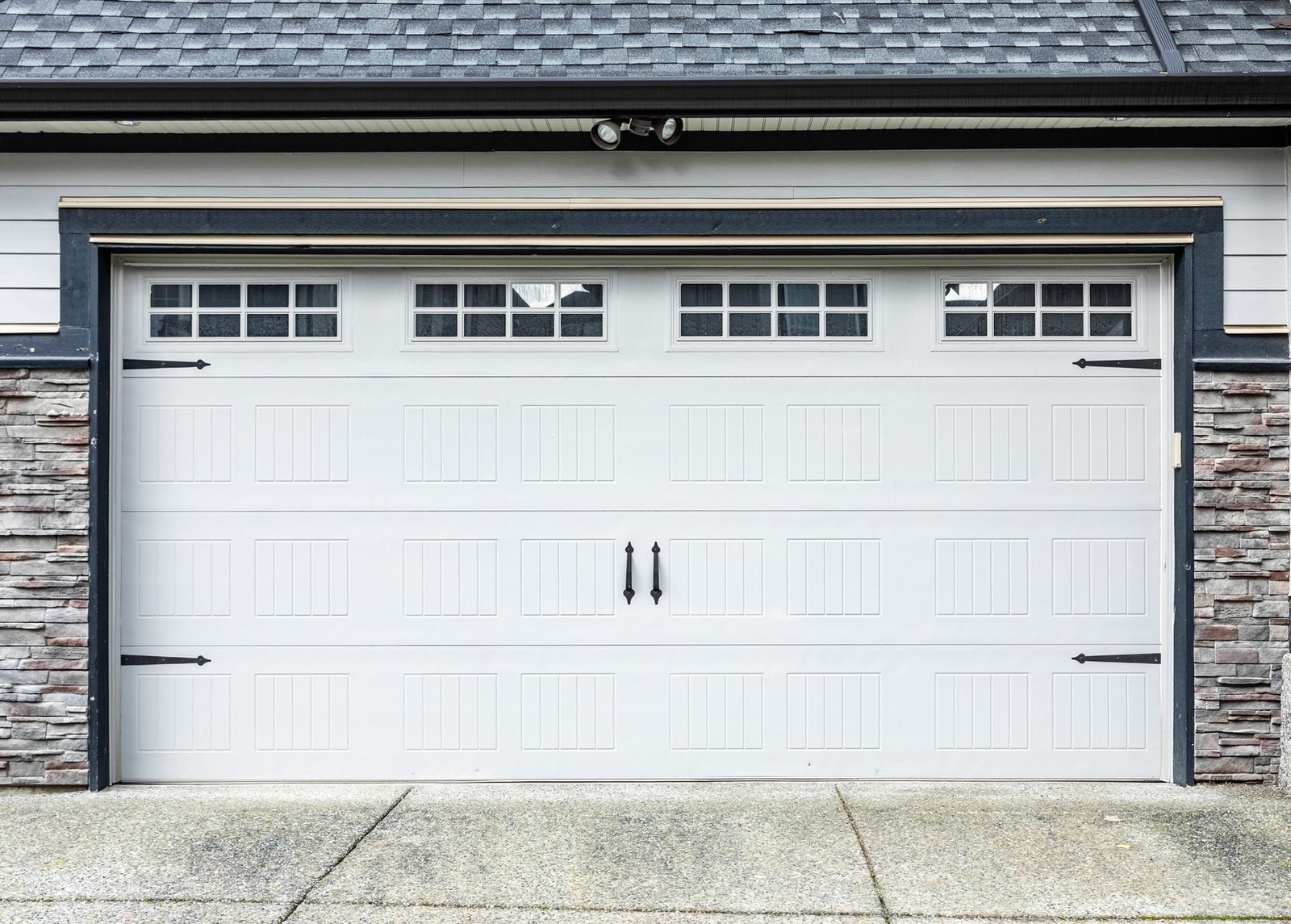
- Safety sensors sit a few inches above the floor on each side of the door and send an invisible beam across the opening.
- If the beam is blocked or the eyes are out of line, the opener will stop and reverse the door instead of closing it.
- Dirty lenses, bumped brackets, loose wires and direct sunlight cause many sensor problems before any part has failed.
- Never disconnect or bypass the sensors. They are the part that keeps the door from closing on a person, pet or car.
- Phoenix Sky Harbor averages 111 days a year at 100°F or higher, so Gilbert garages and sensor wiring stay hot for much of the year.
What to do first
- Keep people, pets and cars out of the door's path until it closes and opens normally again.
- Look at both sensor lights. A steady light on each side usually means they see each other; a blinking or dark light points to a problem.
- Clear anything in the beam's path, such as a broom, trash can, bike tire or a cobweb across the lens.
- Wipe both lenses gently with a soft dry cloth and check that neither bracket has been bumped out of line.
- If you must close the door now, hold the wall button down until the door is fully closed, and watch the opening the whole time.
- If the door still reverses, stop testing it and call to be connected with a local provider.
Why won't my garage door close all the way in Gilbert?
When a Gilbert garage door goes down a few inches and then pops back up, the safety sensors are the most likely cause. The opener reads a blocked or broken beam as something in the doorway, so it reverses the door to be safe. Other causes include a limit setting that is off or an obstruction on the floor.
Many openers also flash their main light or blink a sensor light when this happens. Check the small lights on each sensor first. If one is dark or blinking, the eyes are not lined up, the lens is dirty, or the sensor or its wire has a problem.
How do I know if I need garage door sensor replacement or just a cleaning?
You likely need garage door sensor replacement when the lenses are clean, the brackets are aligned, nothing blocks the beam, and the door still reverses or the sensor light stays dark. A cleaning or realignment is enough when the problem goes away right after you wipe the lenses or straighten a bumped bracket.
- Cleaning usually fixes it: dust or cobwebs on the lens, light that returns after wiping.
- Alignment usually fixes it: a bracket knocked by a bike, mower or car bumper.
- Replacement is more likely: a cracked lens, a sensor that never lights, a light that flickers on and off, or damage from water or impact.
- Wiring may be the issue: chewed, pinched or loose wires between the sensors and the opener.
See our garage door sensor and keypad repair page for more on these parts.
What are the signs that garage door safety sensors are going bad?
Signs of failing garage door sensors include a door that reverses for no reason, a door that closes only when you hold the wall button, a sensor light that flickers, and a problem that comes and goes with the time of day. Those patterns point to a weak sensor, a loose connection or sunlight hitting the receiving eye.
Note when the problem happens. Late-afternoon failures point to sun glare; failures after rain point to moisture in the sensor or wire.
Need help now? Call to be connected with a local provider in Gilbert who can check availability for your address.
Can sunlight make my garage door sensors stop working?
Yes. Strong direct sunlight shining into the receiving sensor can drown out the beam, so the opener thinks something is in the way. In Gilbert this often shows up when the low sun lines up with a garage that faces west or east at certain times of year.
Moving the receiving eye to the shaded side of the door, or adding a small sun shield, can solve it. If the door also misbehaves on cloudy days or at night, the cause is more likely the sensor itself or its wiring.
Is it safe to bypass or remove my garage door sensors?
No. Bypassing, taping over or removing garage door sensors is not safe. The sensors are the safety system that stops a heavy door from closing on a child, a pet or a car. Holding the wall button down to close the door once in an emergency is different from disabling the system.
A garage door is heavy and is held up by springs under high tension. If a sensor problem leaves you stuck, close the door with the button while you watch the opening, then get the sensors fixed. Do not try to adjust springs or cables yourself.
Do I need the same brand of sensors as my garage door opener?
Usually, yes. Most garage door openers are built to work with their own brand of safety sensors, and some newer openers only talk to matching parts. Universal sensor kits exist, but they do not fit every opener, so the model number on the opener's motor unit matters.
If your opener is old and the sensors keep failing, a provider may suggest looking at the opener too. Our garage door opener repair page explains common opener problems.
What happens during the visit for a garage door sensor problem?
During the visit, the provider inspects the whole door system, not just the sensors, then explains what they found and your options before any work starts. You get a written quote first, so you can decide with the details in front of you.
- Inspection: checking the sensor lights, lenses, brackets, alignment and the wire run back to the opener.
- Testing: running the door and blocking the beam to confirm it stops and reverses.
- Options explained: cleaning or realigning, rewiring, or replacing one or both sensors, plus any other issues spotted on the door or opener.
- Written quote before work: nothing is replaced until you approve it.
Should I replace both garage door sensors at the same time?
Often it makes sense to replace both garage door sensors together. They are sold as a matched pair, they have aged in the same heat and dust, and a new sending eye paired with an old receiving eye can still give trouble. If only one is damaged and the other tests fine, a provider can explain whether a single sensor will work with your opener.
Many homeowners pair this visit with a garage door maintenance and tune-up so rollers, hinges and the door's balance get checked at the same time.
How do Gilbert heat and monsoon dust affect garage door sensors?
Gilbert garages work hard. Phoenix Sky Harbor, the official station for the area, averages 111 days a year at 100°F or higher and 21 days at 110°F or higher (1991-2020 normals), and it recorded 70 days of 110°F or higher in 2024, the most on record. That steady heat bakes the plastic sensor housings and the thin wires that run along the garage wall.
The National Weather Service defines the monsoon as June 15 through September 30. A Dust Storm Warning can come with wind gusts of 40 to 60 mph, and on August 25, 2025, a massive dust storm moved from the Tucson area up through Phoenix with near-zero visibility in numerous areas. Dust like that settles on sensor lenses, so wipe them after a storm.
Arizona law makes it unlawful to act as or offer to act as a contractor without a license in good standing, unless the person is exempt. You can look up a contractor in the Arizona Registrar of Contractors online contractor search. Homeowners in Gilbert, Power Ranch, Morrison Ranch, Queen Creek and San Tan Valley can call to be connected with a local provider. See all service areas.
Related pages
Questions people ask
How much trouble is it to get garage door sensor replacement in Gilbert?
Garage door sensor replacement in Gilbert is usually a small job compared with spring or opener work. A provider tests the sensors and wiring, explains your options, and gives a written quote before replacing anything. Call to be connected with a local provider.
Why does my garage door go down a little and then go right back up?
That is almost always the safety sensors or a blocked beam. The opener thinks something is in the doorway, so it reverses. Check for objects in the path, dirty lenses and a bumped bracket.
What does it mean when one garage door sensor light is blinking?
A blinking sensor light usually means the two eyes cannot see each other. The cause is often alignment, a dirty lens or sunlight, but it can also be a failing sensor or a loose wire.
Why does my garage door only close when I hold the button down?
Holding the wall button overrides the sensors on most openers, so this points to a sensor or beam problem. It is a stopgap, not a fix, so watch the door closely and have the sensors checked.
Can I replace garage door sensors myself?
Some homeowners can swap sensors that plug into existing wires, but the new pair must match the opener and be aligned and tested. If the wiring is damaged or the door still reverses, call to be connected with a local provider.
How do I line up my garage door sensors so they see each other?
Loosen the wing nut on one bracket, point that sensor straight at the other one at the same height, and tighten it once its light turns steady. Then test by closing the door and blocking the beam.
Why do my garage door sensors stop working in the afternoon?
Low afternoon sun can shine straight into the receiving sensor and wash out the beam. Swapping the sensors to the shaded side or adding a sun shield often helps.
Is it dangerous to use my garage door if the sensors are broken?
It can be. Without working sensors, the door may not stop for a person, pet or car in its path. Keep the opening clear and get the sensors repaired before regular use.
Will any universal garage door sensor work with my opener?
Not always. Many openers only accept sensors from the same brand, and some newer models check for matching parts. Look up your opener's model number before buying sensors.
Do garage door sensors wear out from the Arizona heat?
Heat is hard on plastic housings and wiring over time. In Gilbert, where the area averages 111 days a year at 100°F or higher, older sensors and brittle wires are common reasons for trouble.
Can a dust storm make my garage door stop closing?
Yes, dust can coat the lenses and weaken the beam. Wipe both sensor lenses with a soft dry cloth after a storm and test the door before you rely on it.
What does it look like when the wire to a garage door sensor is bad?
A bad wire often shows as a sensor light that is dark or flickers when you move the wire. Look for staples cutting into it, chewed spots, or a loose connection at the opener.
How do I test if my garage door sensors are working right?
Start closing the door, then wave an object like a broom handle through the beam. The door should stop and go back up. If it keeps closing, stop using it and get it checked.
Should I replace the opener instead of just the sensors?
Replacing only the sensors is often enough. If the opener is old, noisy or has other faults too, a provider can explain both options and quote them in writing.
What should I ask before someone replaces my garage door sensors in Gilbert?
Ask what caused the failure, whether one or both sensors need replacing, whether the parts match your opener, and for a written quote first. You can also look up a contractor in the Arizona Registrar of Contractors online search.
Who do I call for garage door sensor replacement in Queen Creek or San Tan Valley?
Call the number on this page to be connected with a local provider who serves Gilbert, Queen Creek, San Tan Valley and nearby areas.
Talk to someone about your garage door problem
Call to be connected with a local provider who can check availability for your address and explain the next step.