Door type identified properly
Sectional, rolling steel and high-cycle doors use different hardware and different operators. Giving the type, the approximate width and whether it is motorized when you call speeds up the first visit.
A jammed bay door stops deliveries, not just traffic. Gilbert Garage Door Fix connects businesses with independent providers for sectional and roll-up doors at Gilbert workshops, warehouses, storage units and retail units; ask the provider to plan around your business hours.
Commercial doors fail differently from residential ones because they cycle so much more often. A bay in a light-industrial unit off the Loop 202 corridor can run more openings in a month than a house door does in a year, so wear shows up on the drive, the bearings and the curtain long before it would at home. Dust from unpaved yards and open desert lots adds to it.
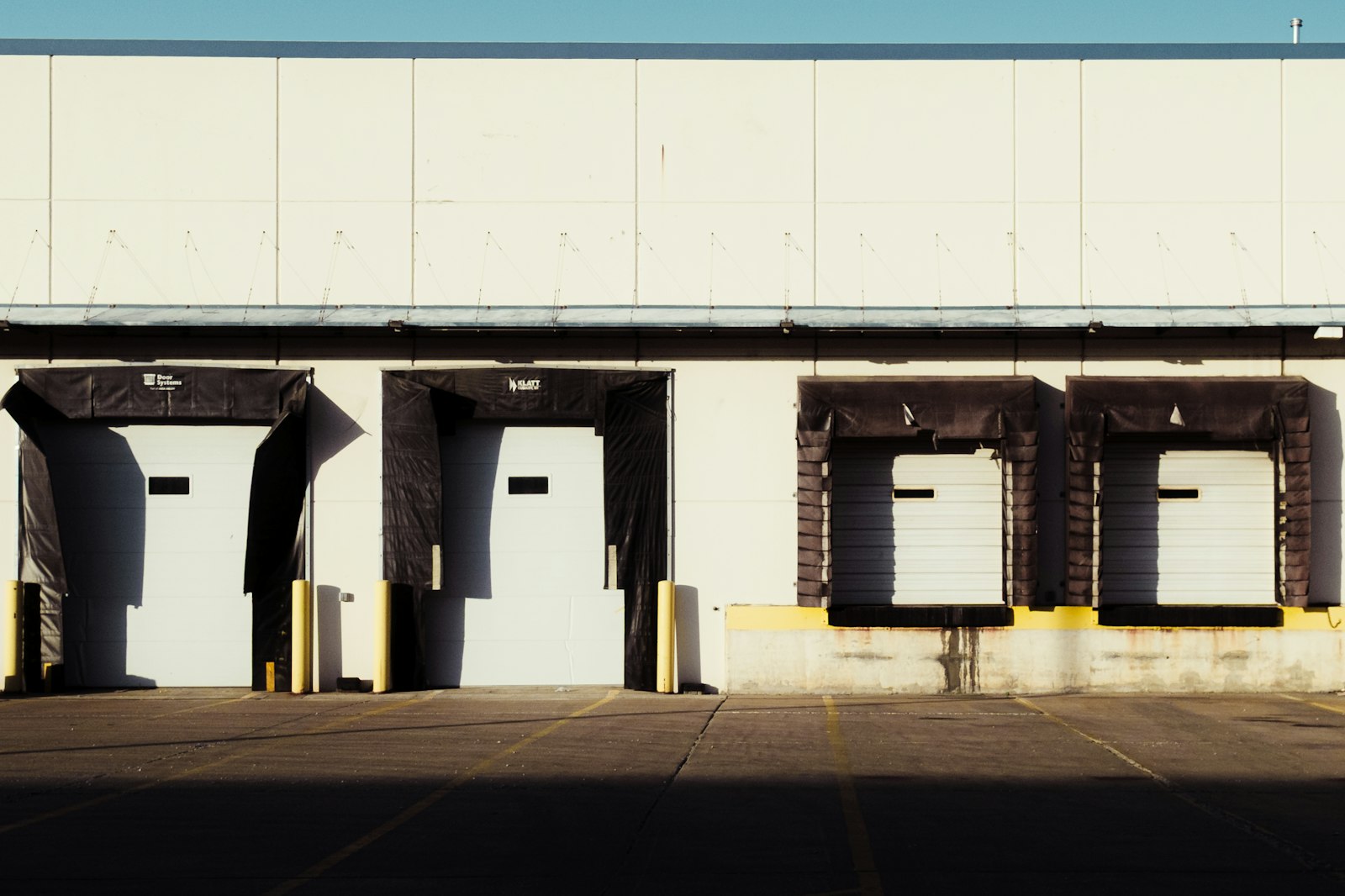
The priority on a commercial call is getting the opening usable and secure, then agreeing what the full repair needs.
Sectional, rolling steel and high-cycle doors use different hardware and different operators. Giving the type, the approximate width and whether it is motorized when you call speeds up the first visit.
Motor, chain hoist, limit switches, entrapment protection and push-button or key stations are checked as a set. Many commercial call-outs turn out to be a limit or a safety device rather than the door.
If the door cannot be repaired in one visit, ask the provider to leave the opening closed and secure, and to tell you plainly what part is needed and when it is expected.
Access details make more difference here than anywhere else. Mention where the unit is within the complex, whether the yard is gated, whether there is a lift truck working the same bay and what hours the door has to be available. A visit timed for a quiet part of the day usually costs the business less in disruption than the repair itself does.
Where several bays are involved, it is worth deciding whether the others are due a service at the same time. A planned check of springs, cables, rollers and operators across all the doors is normally cheaper and less disruptive than a series of emergency calls.
Many commercial faults are the same mechanisms found at home, so spring repair, cable and roller work and off-track repair all apply. If a door is beyond economical repair, the repair versus replacement guide explains how that call is made, and you can call the number with your unit details.
Out-of-hours work depends on the independent provider, the property location and the parts required. Give your operating hours when you call so the provider can plan around the bay rather than against it.
Usually. Both are covered, along with their operators. The hardware differs, so the door type and approximate width help the provider bring the right parts.
For a door that cycles all day, usually yes. Planned checks catch worn bearings, stretched chain and drifting limits before they shut the bay. Ask the independent provider what a schedule for your door count would look like.
Call with the door type, the unit ZIP code and your opening hours to reach a provider.